







Search Results for: silver skin affects flavor
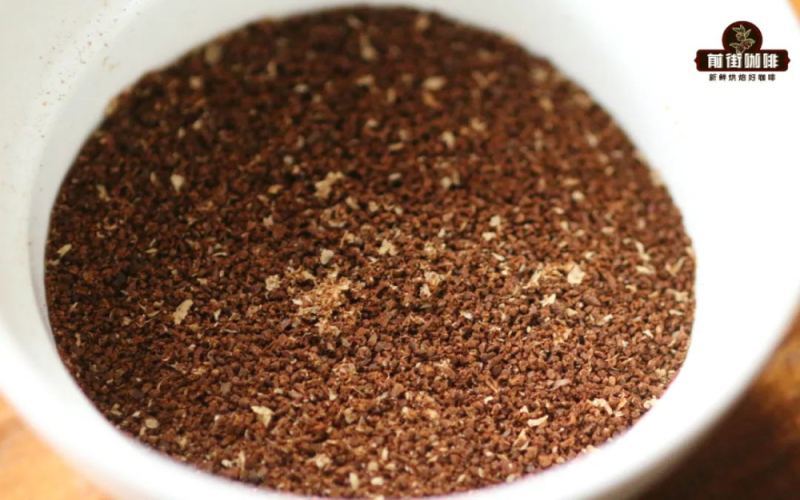
A Detailed Look at Coffee Silver Skin: Origins, Processing Method Differences, and an Empirical Analysis of Its Impact on Flavor
When grinding coffee beans, you'll often notice yellowish-white flecks mixed into the grounds—this is silver skin, the last protective layer of the green bean. How much of it remains depends mainly on how the coffee was processed, not on roasting technique. Natural-process beans shed their silver skin more completely, while washed beans, because the silver skin breaks into fragments, leave white lines in the bean's crease. Many people worry that silver skin will ruin the flavor. Through tasting silver skin steeped in water and comparative brewing experiments, Front Street found that silver skin itself carries a sweet corn- and wheat-like sweetness, and that coffee brewed without removing the silver skin tastes basically the same as coffee with it removed. This article will explain in detail where silver skin comes from, how it differs by processing method, and whether it truly affects coffee flavor. [more…]
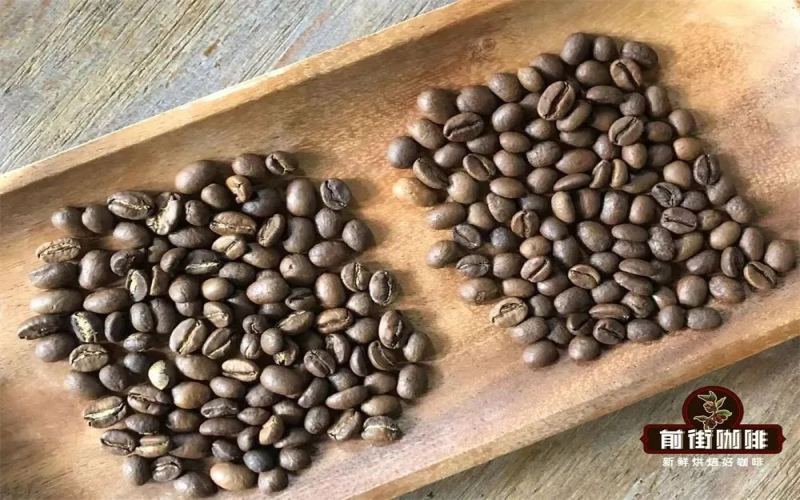
A Complete Guide to Natural and Washed Coffee Processing: Step-by-Step Procedures, Flavor Differences, and Green vs. Roasted Bean Comparison
When buying coffee beans, the packaging often indicates processing methods such as natural, washed, and honey. What exactly is the difference between natural and washed? Front Street Coffee takes you through the structure of the coffee fruit to explain in detail the specific steps, advantages and disadvantages, and flavor characteristics of the two processing methods. It also uses two Yirgacheffe coffees—Front Street Natural Red Cherry and Washed Gudingding—to compare the silver skin differences between green beans and roasted beans, and to analyze the fermented sweetness of natural beans and the bright cleanliness of washed beans. Only by understanding processing methods can you better choose the flavor you love. [more…]

A Beginner's Guide to Choosing Single-Origin Black Coffee Beans for Pour-Over: Does Coffee Chaff Really Interfere with Flavor?
Many pour-over enthusiasts, after grinding coffee beans, feel uneasy when they notice silver skin remaining in the grounds—will these white flecks bring astringency and ruin a cup's cleanliness? Starting from the actual testing of Front Street Coffee's baristas, this article first clarifies the patterns of silver skin retention in different processing methods, then through brewing silver skin separately as well as comparative brewing with the silver skin removed versus retained, lets the flavor performance speak for itself, helping you judge the true impact of silver skin on coffee flavor, while also providing beginners with a practical reference approach for choosing pour-over single-origin black coffee beans. [more…]

How Do Washed and Natural Coffee Beans Differ? A Clear Explanation from Silver Skin and Color to Flavor
Faced with a dazzling array of coffee beans, how can you quickly tell whether they are sun-dried or washed? In fact, as long as you grasp the basic processes of the two processing methods, and then combine them with the color of green beans, the silver skin of roasted beans, and the performance in the cup, you can easily distinguish them. The sun-dried method has a long history and relies on natural drying, so sugars easily seep into the bean surface; the washed method uses water tank screening and soaking to give coffee a cleaner tone. This article will start from the processing steps and compare one by one the differences between sun-dried and washed in green beans, roasted beans, and flavor, and use Front Street Yirgacheffe Sun-Dried Red Cherry and Washed Gudingding as examples to provide specific brewing comparisons, helping you quickly establish a basis for judgment in daily tasting. [more…]
Yirgacheffe Coffee Flavor Full Analysis: Washed vs. Natural Red Cherry Processing Differences and Brewing Comparison
Yirgacheffe, as the top choice for specialty coffee beginners, is known for its bright acidity and clean flavor. From the perspective of Front Street Coffee, this article systematically reviews the geography of the Yirgacheffe producing region, the principles of washed and natural processing methods, and compares the specific differences between two beans—Front Street washed Gedingding and natural Red Cherry—in terms of green bean appearance, roasting, cupping, and brewed flavor. The article also includes detailed roasting curves and V60 brewing parameters for both beans, making it suitable for coffee enthusiasts who want to gain a deeper understanding of the flavor formation and brewing performance of Yirgacheffe. [more…]
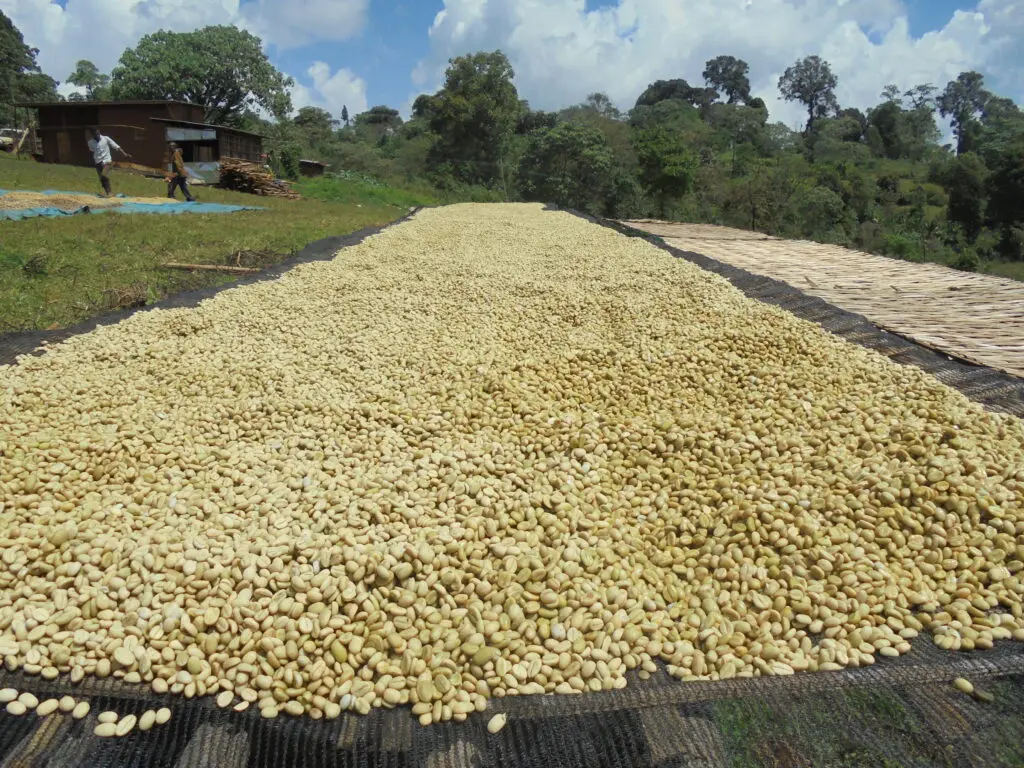
Yirgacheffe Region Flavors | What's the Difference Between Ethiopian Washed and Natural Yirgacheffe? How Should Yirgacheffe Washed Coffee Beans Be Roasted?
Yirgacheffe is a coffee region that everyone is surely familiar with. Its bright acidity and clean, refreshing coffee flavor have made it the first specialty pour-over coffee bean for many people. In recent years, Yirgacheffe has sparked a revival of the natural (sun-dried) style. In many people's memories, Yirgacheffe has always been washed [more…]

Washed Coffee Beans Pros and Cons | What Is the Washed Processing Method for Green Coffee? How Are Washed Beans Roasted? Recommended Delicious Washed Single-Origin Beans from African Regions
Everyone's demand for coffee is growing stronger by the day, with global coffee bean production reaching as high as 8.4 billion kilograms annually—an astonishing output. When it comes to coffee, Front Street believes that beyond variety, origin, and cultivation methods, there is another important process that influences coffee flavor: coffee bean processing methods. Different processing methods for coffee beans [more…]
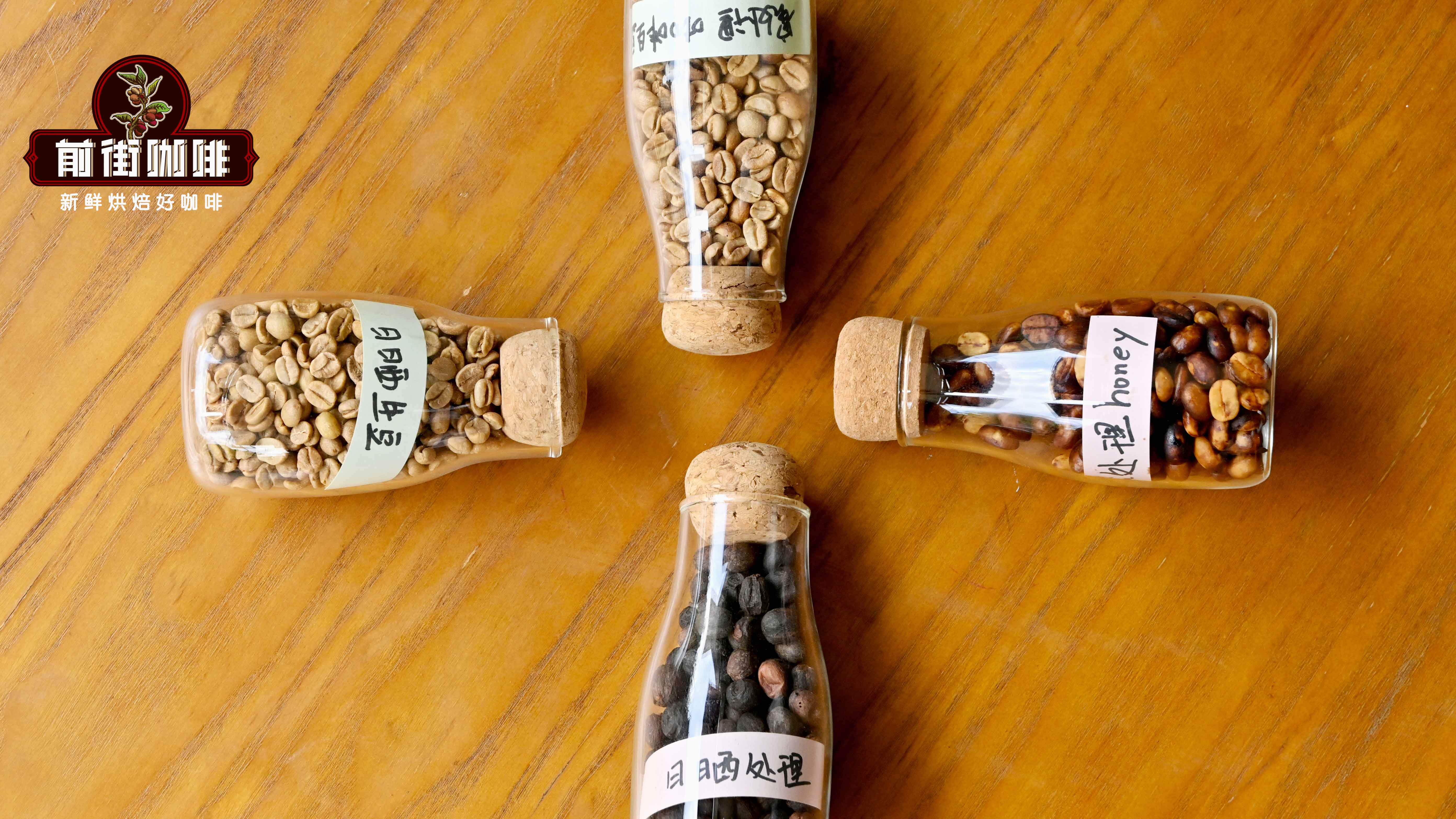
A Complete Analysis of the Flavor Differences Between Natural and Washed Coffee Beans: From Green Bean Appearance to Cupping Taste and Brewing Comparison
Among coffee bean processing methods, natural and washed are the most common, and the two differ significantly in green bean appearance, roasting performance, silver skin shedding, and final cupping flavor. Through long-term cupping, Front Street Coffee has found that washed beans highlight the bean's intrinsic flavor, with bright and clean acidity; natural beans, because the fruit pulp participates in drying, have richer aroma, enhanced sweetness and body, and more complex flavor. This article compares two Panama Butterfly beans, one natural and one washed, one by one from processing flow, advantages and disadvantages, roasting details to actual brewing parameters, helping coffee enthusiasts understand the flavor changes brought by different processing methods and make choices based on personal preference. [more…]

A Comprehensive Analysis of the Differences Between Washed and Natural Processing and the Flavor Characteristics of Yunnan Baoshan Catimor Coffee Beans
Baoshan's Lujiangba in Yunnan, with its unique dry-hot valley climate, has become a premium producing region for Arabica small-bean coffee. Among the three coffees Front Street Coffee cultivates in Yunnan, the sun-dried and washed Catimor each have their own distinctive character. This article systematically compares how the two processing methods affect Catimor's flavor, from green bean appearance, roasting curves, and cupping performance to brewing parameters, while also introducing the origins of the Catimor variety, the impact of Yunnan's 2020 drought on production, and the differences between the native Typica variety and Catimor. Whether you want to understand the regional taste of Yunnan coffee or grasp the flavor tendencies of different processing methods, this content offers detailed reference. [more…]
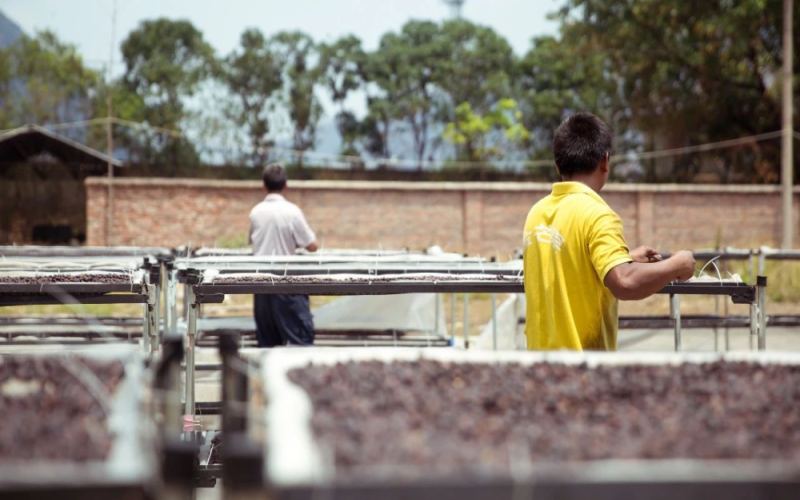
What's the difference between washed and natural coffee beans? Comparing flavor, sweetness, and processing method differences from Blue Mountain to Geisha
Washed and natural are the two most classic coffee processing methods. How do different processing methods affect the flavor direction of the same bean? Front Street Coffee uses Jamaica Blue Mountain No. 1 and Panama Hacienda La Esmeralda Blue Label Geisha as samples, comparing their washed and natural versions respectively, conducting a comprehensive analysis from processing principles, green bean appearance, roasting curves, to cup tasting flavors. The article also explains in detail the refined natural process, the details of washed fermentation, and the actual performance of the two processing methods in terms of sweetness, cleanliness, and layering, helping coffee enthusiasts understand the flavor logic that natural tends to be sweeter while washed tends to be cleaner. [more…]
How Coffee Bean Processing Methods Shape Flavor Differences: A Comprehensive Comparison of Washed and Natural Processing
Are coffee beans actually the fruit of the coffee tree? Can they be roasted directly after picking? These questions puzzle many people who are just getting into coffee. In fact, coffee beans are the seeds of the coffee fruit, and they need to go through a series of green bean processing methods to reveal different flavors. Washed and natural, as two mainstream processing methods, show significant differences in workflow, drying time, appearance characteristics, and final cupping performance. Through extensive cupping, Front Street Coffee has found that washed coffee has bright acidity and high cleanliness, while natural coffee has more complex berry notes and higher sweetness. This article will systematically explain the principles and flavor characteristics of these two processing methods to help coffee lovers gain a deeper understanding of the decisive influence of processing methods on coffee flavor. [more…]
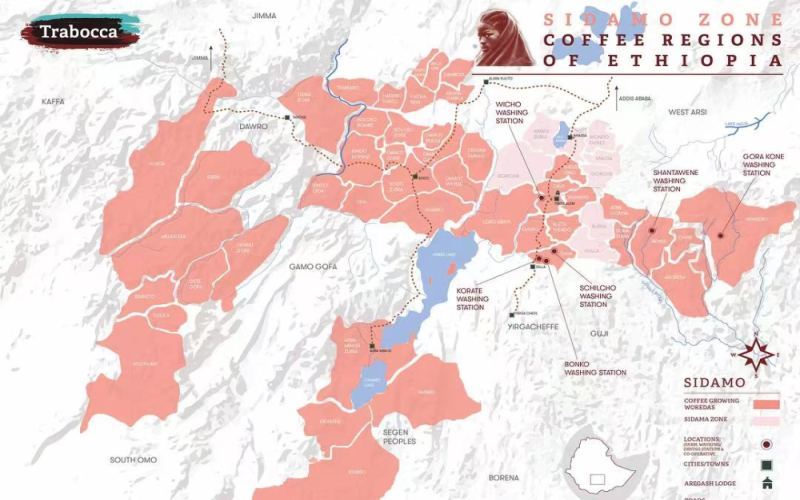
Yirgacheffe G1 Coffee Beans: Detailed Explanation of Flavor Differences Between Natural and Washed Processing Methods
Yirgacheffe is a representative region for Ethiopian specialty coffee, and its two processing methods—washed and natural—shape distinctly different flavor directions. From the perspective of Front Street Coffee, this article systematically reviews Yirgacheffe's geographical background, the evolution of processing methods, and the specific differences between washed and natural in green bean appearance, silver skin residue, and mouthfeel performance. The article describes in detail the flavor characteristics of two representative coffees—Front Street washed Gedingding and Front Street natural Red Cherry—and introduces how the natural processing method regained market recognition after improvements by Baghi. Whether you are a beginner just getting into specialty coffee or an enthusiast who wants to understand more deeply how processing methods affect flavor, you can gain clear and practical reference from it. [more…]
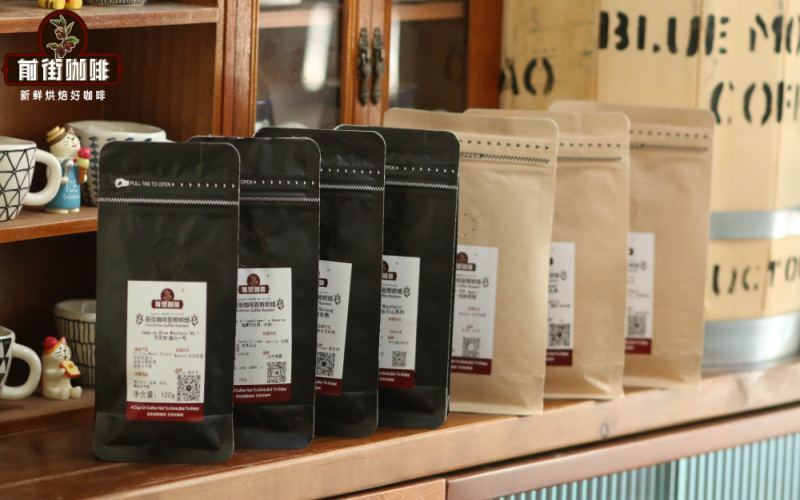
Blue Mountain Natural and Hacienda La Esmeralda Blue Label Geisha: How Two Processing Methods Reshape Classic Coffee Flavors
When Jamaica Blue Mountain first attempted natural processing, while Panama's Hacienda La Esmeralda extended the natural method to its Blue Label Geisha, an interesting intersection in processing methods emerged between two coffees representing Old World and New World styles. Front Street Coffee conducts a side-by-side comparison of washed and natural versions, systematically examining from green bean appearance, roasting curves, to cupping flavors how processing methods affect coffee's sweetness, aroma, and cleanliness, helping enthusiasts understand the essential differences and respective advantages of washed and natural processing. [more…]
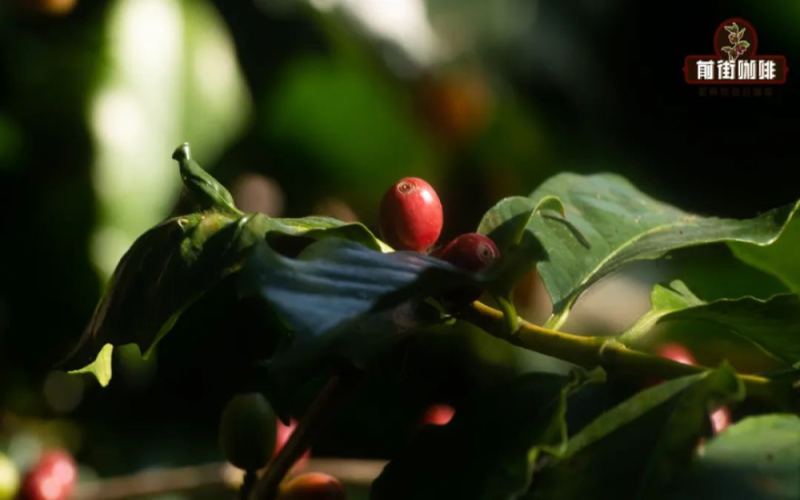
What Is the Relationship Between Coffee Cherries and Coffee Beans? A Detailed Explanation of Coffee Structure and Composition, and the Caffeine Content in a Single Bean
What exactly is the relationship between the coffee fruit and the coffee bean? A coffee cherry, from the outside in, consists of multiple parts including the exocarp, pulp, pectin layer, parchment, silver skin, bean core, and center line, with each layer playing a different role in coffee processing and flavor formation. The green coffee bean itself is composed of substances such as water, polysaccharides, lipids, proteins, sucrose, chlorogenic acid, other organic acids, amino acids, and caffeine, all of which directly affect coffee's mouthfeel, aroma, and the balance between bitterness and acidity. This article will dissect the structure of the coffee fruit layer by layer and systematically sort out the compositional substances of coffee beans, while also explaining the difference in caffeine content between Arabica and Robusta, helping coffee enthusiasts gain a more comprehensive understanding of the science behind the flavors in their cup. [more…]
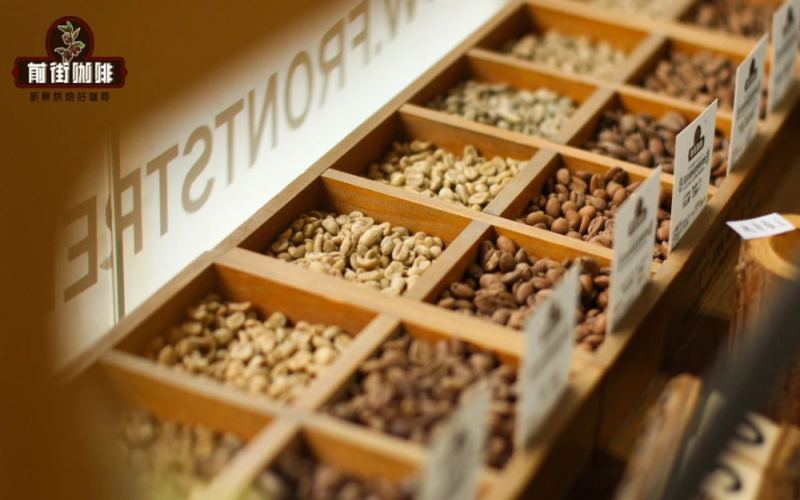
Yirgacheffe Kochere Region Natural vs. Washed Coffee Bean Flavor Differences and Analysis of the Red Cherry Project
The processing method of green coffee beans is one of the key stages that determines the direction of flavor. Even for coffees from the same Yirgacheffe region, the two processes of natural and washed give the beans completely different personalities. This article takes the Kochere region as its starting point and, combining two beans—Front Street Coffee Yirgacheffe Red Cherry Natural and Front Street Coffee Yirgacheffe Kochere Washed—systematically sorts out the differences between the two processing methods, from regional background, green bean appearance, and roasting curves to cupping and brewing performance. It also introduces the origin and operation of the Red Cherry Project, helping enthusiasts more clearly understand the impact of processing methods on flavor. [more…]
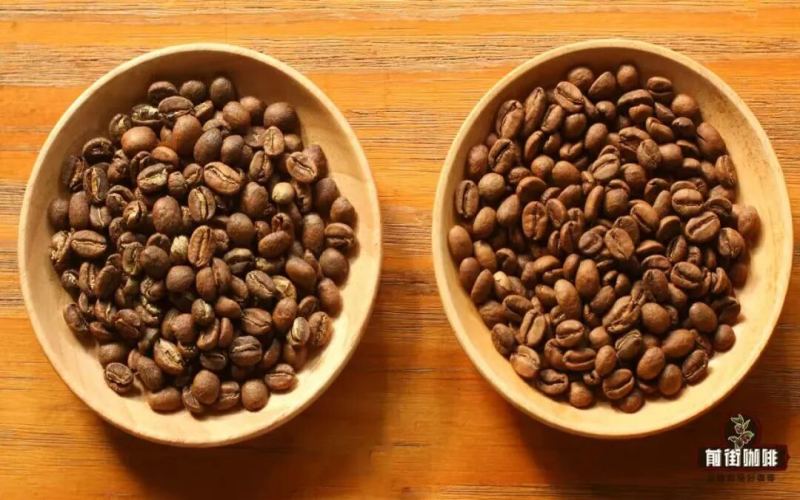
Coffee Bean Identification | What Are the Differences Between Washed and Natural Coffee? How Can Coffee Beginners Learn to Tell Natural Beans from Washed Beans?
If you often drink pour-over coffee, Front Street believes you've probably seen friends who can tell washed and natural processed coffee apart at a glance, or with a single sip. Because they distinguish them so quickly, many friends are amazed and wonder how on earth they do it. Just yesterday, [more…]

A Complete Guide to the Washed Process: Step-by-Step Flow, Flavor Characteristics, and How It Compares to Natural and Honey Processing
The annual production of coffee beans reaches as high as 8.4 billion kilograms, and the processing method is one of the key stages that determines the direction of flavor. The washed processing method is known for its clean, bright, and prominently acidic qualities, and serves as the foundational flavor benchmark for many specialty coffee regions. From the perspective of Front Street Coffee, this article systematically sorts out the complete steps of the washed method—from removing floating beans, depulping and demucilaging, fermentation, washing, to drying and hulling—and analyzes its advantages, disadvantages, and the causes of its flavor. At the same time, it compares the differences between natural and honey processing, and uses two washed beans, Kenya Asalia and Yirgacheffe Gedingding, as examples to show the diverse expressions of the same processing method under different origins, varieties, and altitudes. [more…]
Yirgacheffe Kochere: How Washed and Natural Processing Shape Coffee Flavor Differences and the Award-Winning Background of the Red Cherry Project
Yirgacheffe is Ethiopia's most iconic specialty coffee region, and coffee beans from its sub-region Kochere present strikingly different flavor profiles depending on the processing method. This article takes Front Street Coffee's two beans—Natural Red Cherry and Washed Kochere—as its starting point, systematically reviewing the background of the Kochere region, the operational mechanism and quality standards of the Red Cherry program, and comparing them across four dimensions: green bean appearance, roasting curves, cupping performance, and Clever Cup brewing, to help coffee enthusiasts understand the practical impact of natural and washed processing on flavor direction, as well as the grading logic behind Yirgacheffe G1. [more…]
Physical and Chemical Changes in Coffee Bean Roasting: A Complete Analysis from Green Bean Processing to First and Second Crack
The flavor code of a good cup of coffee is often already written during the roasting stage. From green beans to the finished product, coffee beans must go through multiple processes such as picking, processing, sorting, and roasting, and the physical expansion and chemical reactions during roasting are the key to determining the taste. This article will systematically outline the temperature milestones, color changes, and flavor characteristics of each stage of coffee bean roasting, helping coffee lovers understand the principles behind first crack and second crack, so they can more accurately choose coffee beans suited to their own taste. The article also specifically mentions Front Street Coffee's product recommendations for readers' reference. [more…]
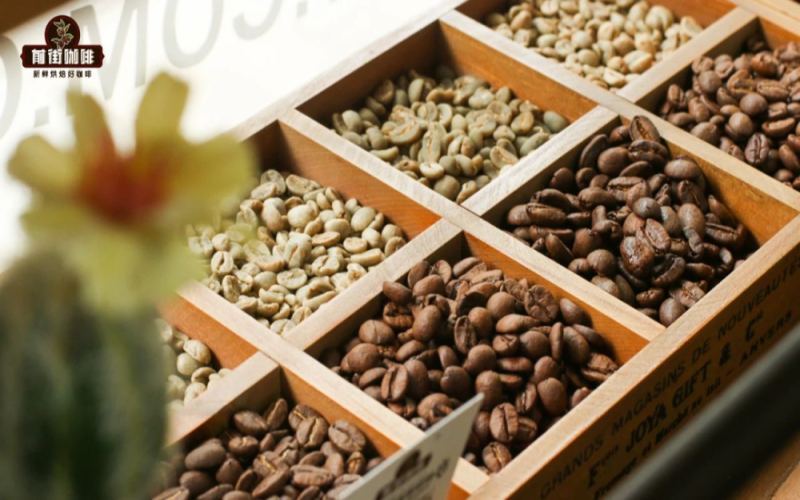
A Complete Guide to the Three Major Coffee Bean Processing Methods: Flavor Differences and Taste Characteristics of Natural, Washed, and Honey Processing
The flavor of coffee depends not only on its origin and variety; the processing method also plays a key role. Nowadays, more and more coffee enthusiasts are paying attention to the processing techniques behind the beans. Front Street Coffee takes this opportunity to systematically review the three main methods—natural, washed, and honey processing—and also introduce Kenya's K72-hour processing, Indonesia's wet-hulling method, and the emerging anaerobic fermentation technology. From fruit picking, fermentation, and drying to hulling, how does each step affect the acidity, sweetness, and body in the final cup? What unique character do different processing methods give to beans such as Yirgacheffe, Mandheling, and the Costa Rica Musician Series? This article will compare everything from operational procedures to flavor performance one by one, helping you make clearer judgments when purchasing and tasting. [more…]